
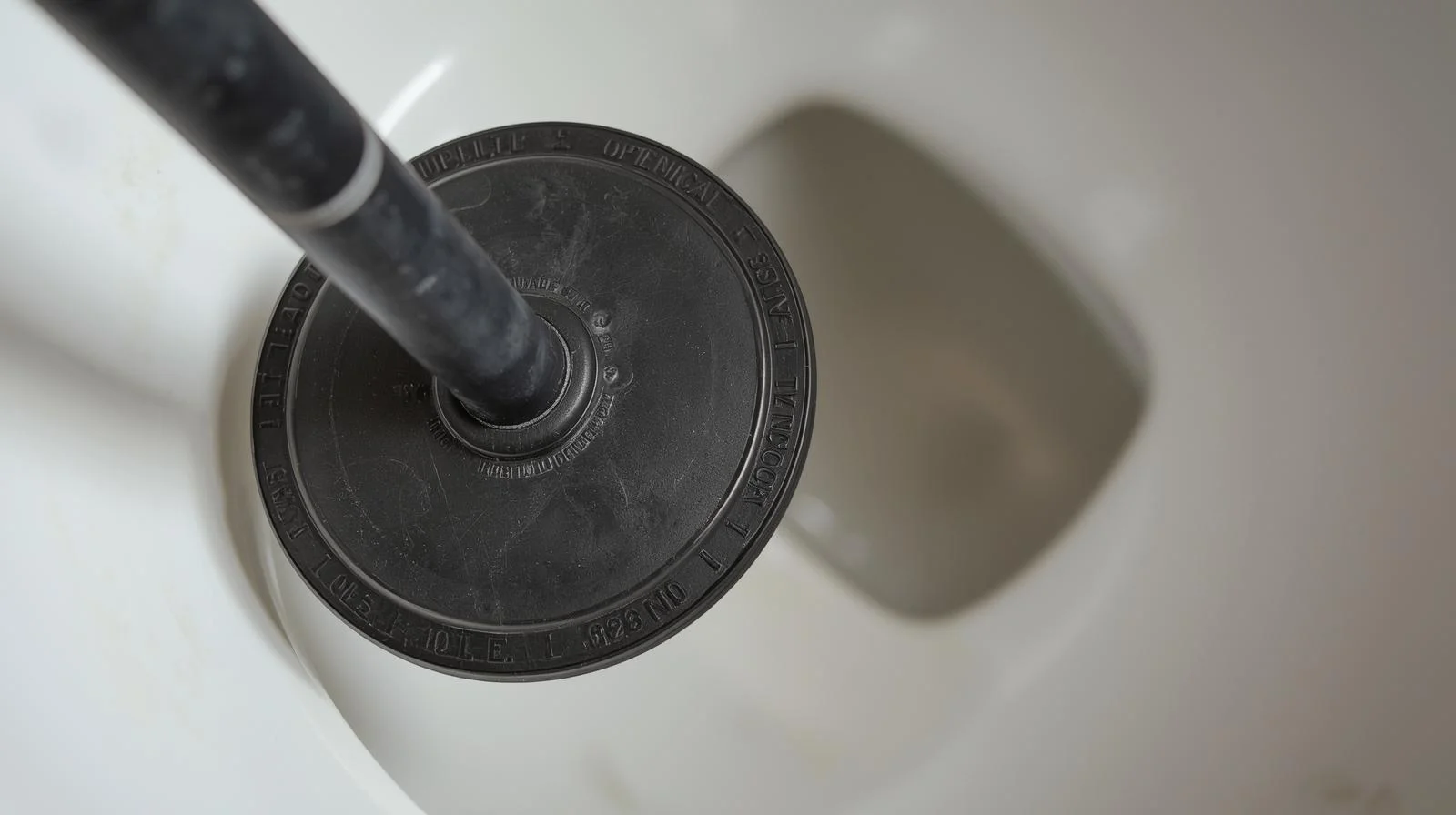
What Is a Toilet Drain Unblocker?
A toilet drain unblocker is a tool or method you use to clear a blocked toilet drain. When your toilet doesn’t flush properly and water won’t go down, the blockage is usually deep in the pipes. You can deal with it yourself using the right tools and steps. If you’re unsure or the problem is serious, you can get professional help from a drainage specialist like Drain Master Scotland. They work with blocked toilets and full drain systems every day and can show you what’s happening inside your pipes.
You can use different techniques to unblock your toilet drain. Some methods use simple household items. Others require tools made for toilet plumbing. You will learn both below, with safe, clear instructions you can try first.
Why Toilets Get Blocked
Most toilet blockages happen when too much toilet paper or objects that don’t dissolve are flushed. Things like wet wipes, kitchen roll or toys can get stuck and stop water from flowing. Also, if the pipe further on in the system has a lump of waste or build up, it can block the drain.
Clogs can be soft, like a wad of paper, or hard, like a toy. The fix depends on what’s causing the blockage.
Common Tools You Need
Before you start fixing the problem, get a few helpful tools ready:
Plunger
This is the most common toilet drain unblocker tool. It makes suction that pushes and pulls on the clog so the blockage breaks up.
Toilet Auger
Also called a toilet snake, this tool reaches deeper into the pipe to break up or pull out the clog. It’s better for tough problems that a plunger can’t solve.
Gloves and Bucket
Wear rubber gloves to stay clean and use a bucket to take out excess water if the bowl is very full.
Hot Water and Soap
This combination helps lubricate the pipes and loosen softer clogs.
Step‑by‑Step Methods to Unblock Your Toilet
Here are a few methods you can try. Start with the simplest and move to the next if water still won’t drain.
1. Use a Plunger First
A plunger is usually the fastest way to remove a blockage.
Place the plunger over the drain hole so it covers the opening. Make sure there is enough water to cover the rubber cup. Push down slowly so you get a seal around the hole, then pull up sharply. Repeat this push and pull motion about 10 to 15 times. You will feel resistance reduce as the clog loosens.
If the water level starts to drop after you remove the plunger, flush the toilet to test if the drain is clear.
2. Hot Water and Soap
If plunging did not work, try hot water with dish soap.
Pour half a cup of liquid soap or dish detergent into the bowl. This helps lubricate the pipes. Then pour a bucket of hot water into the bowl from waist height. The pressure and heat help move softer blockages like toilet paper. Wait about 10 to 15 minutes and then try flushing again.
Make sure the water is hot but not boiling. Boiling water can crack porcelain.
3. Toilet Auger for Tougher Clogs
If the plunger and hot water do not free the blockage, use a toilet auger.
Put on gloves. Insert the end of the auger into the toilet drain. Turn the handle slowly while pushing forward. This helps the cable go into the pipe and push or break up the clog. Once the resistance eases, pull the auger back out and test the bowl by flushing.
This tool lets you reach deeper than a plunger can. It is made to work with toilet bends and harder blockages.
4. Natural Mixtures
Some people use baking soda and vinegar to help clear minor problems. This method can work on softer blockages. Put a cup of baking soda in the bowl followed by a cup of vinegar. Let it sit for around 15 to 30 minutes. Then pour hot water and test the bowl.
Be careful: using strong chemical cleaners can harm your pipes and seals. For toilets, it’s usually safer to try manual methods first.
When to Call a Professional
You should think about a professional if:
- The blockage does not clear after using a plunger and auger.
- The water keeps rising or threatens to overflow.
- You see slow drainage from other fixtures, like sinks and showers.
- You are unsure what is causing the problem and don’t want to make it worse.
A trained drainage expert has tools and cameras that let them see deep inside your pipes and find hidden issues before they get worse. Drain Master Scotland deals with blocked toilet drains every day. They can show you the cause, fix it safely and help prevent future problems.
Tips to Prevent Blockages
Stopping a blocked toilet before it happens saves you effort and mess.
Use only toilet paper and waste meant to be flushed. Avoid flushing wet wipes, tissues, cotton buds or anything solid. If you share your home with guests, a quick reminder about what not to flush can help.
Don’t flush too much toilet paper at once. If you have to use more, flush multiple times.
Regular checks and light cleaning help keep your toilet drain working well.
FAQs About Toilet Drain Unblocker
How do I know if my toilet drain is blocked?
If water rises when you flush or the bowl drains very slowly, there is usually a blockage in the drain pipe.
What is the best toilet drain unblocker tool?
A flange plunger designed for toilets is the most common tool. A toilet auger works better for harder or deeper clogs.
Can I use household items to unblock my toilet?
Yes, things like hot water and soap can help loosen softer clogs. More stubborn ones may need tools like plungers or augers.
Is baking soda and vinegar safe to use in a toilet?
It can help with softer blockages, but professionals warn that it may not work on serious clogs and strong acids can harm some plumbing.
What should never be flushed?
Only flush human waste and toilet paper. Wet wipes, kitchen roll and sanitary products often cause blocked drains.
How long should I try DIY methods before calling for help?
If nothing clears after a few tries with the right tools, it’s better to contact a professional than risk damaging your pipes.
Can I make a blocked toilet worse?
Yes, using the wrong tools or forcing objects into the drain can damage the bowl or pipes and make the problem worse.
Should I attempt to unblock a toilet with no tools?
You can try hot water and soap first, but for stubborn blockages, proper toilet drain unblocker tools work much better.
Why isn’t the plunger working?
If the blockage is too deep or too hard, a plunger won’t reach it. In this case, use a toilet auger or talk to a specialist.
Does a toilet auger scratch the bowl?
A proper toilet auger has a protective sleeve to avoid scratching porcelain. Be careful and go slow.
Fixing a blocked toilet need not be stressful. You can try simple ways first. If the issue won’t go away, professional guidance keeps your plumbing safe and working well. Drain Master Scotland can help with complex problems and give you clarity about what’s happening in your drains.