
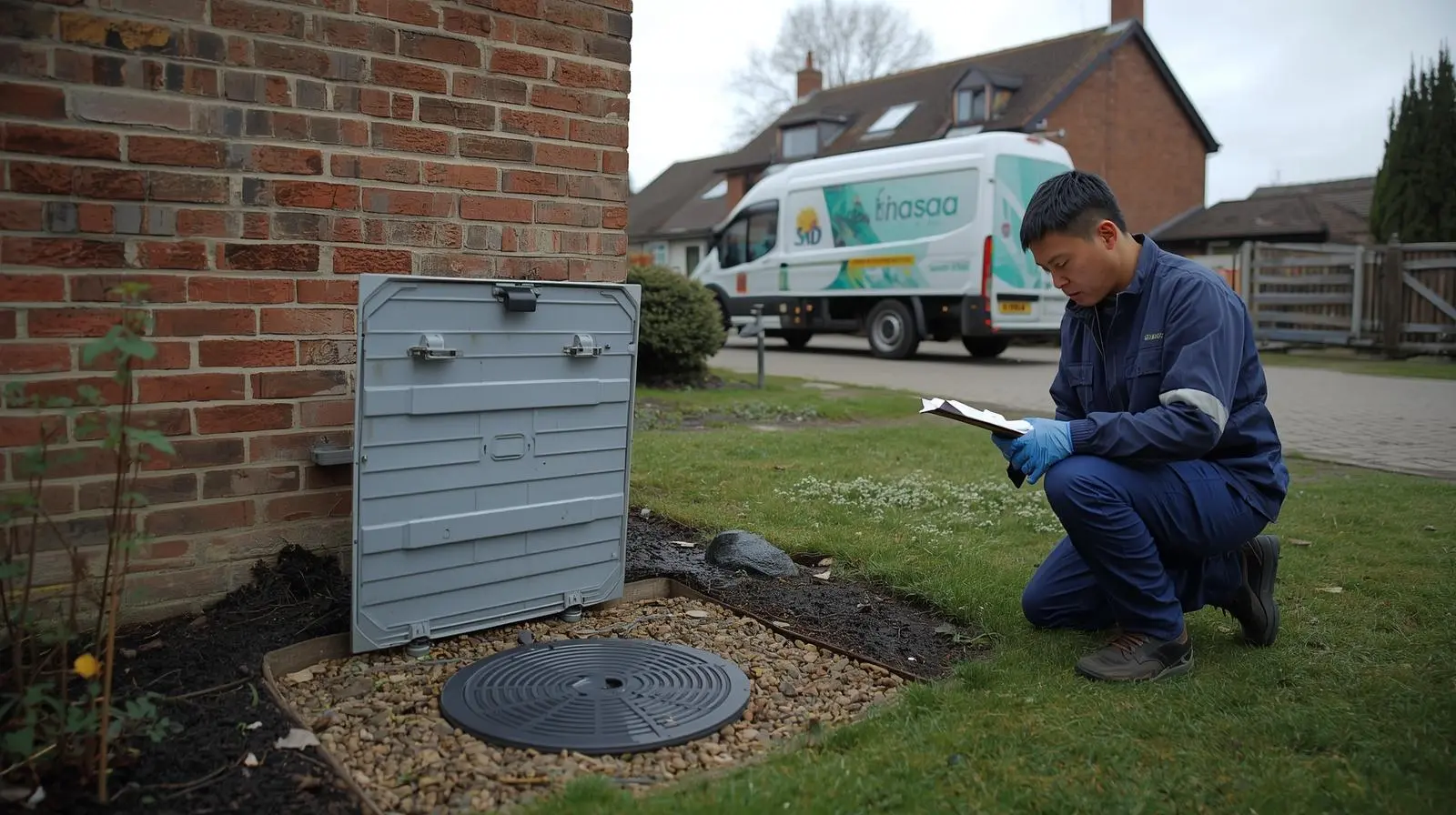
Septic systems are common in rural parts of the UK, including many properties in Scotland. They’re also a little misunderstood. Some homeowners think the tank never needs attention, while others worry they must constantly “treat” it with additives. The truth sits in the middle: good septic tank maintenance is mostly about smart habits, routine checks, and arranging septic tank services at the right time.
This guide covers practical steps you can take to keep your septic system healthy, reduce the risk of problems, and know when to call in professionals.
How a Septic Tank System Works
A septic tank is designed to separate and partially break down waste. What flows from your home enters the tank, where solids settle to the bottom as sludge and lighter materials like fats float to the top as scum. The liquid layer in the middle flows out to the drainage field or soakaway, where it is treated naturally in the soil.
Because sludge and scum build up over time, the tank needs periodic emptying. If it isn’t emptied, solids can leave the tank and block the soakaway, which is one of the most expensive failures to fix. Good septic tank maintenance is mainly about protecting that system balance.
Everyday Habits That Protect Your Septic Tank
Your septic tank works best when you treat it gently and consistently. Sudden spikes in water use and the wrong materials going down the drain are two of the biggest causes of trouble.
Watch What Goes Down the Toilet
Only flush human waste and toilet paper. Many common items do not break down properly and can build up in the tank or cause blockages.
Never flush these items
- Wet wipes, even those labelled flushable
- Sanitary products, nappies, cotton buds, dental floss
- Paper towels or excessive toilet paper
- Cat litter or animal waste
- Medication or chemicals
If it doesn’t come from your body or it isn’t plain toilet paper, it belongs in the bin.
Be Careful What Goes Down Sinks and Drains
Kitchen waste and cleaning products can disrupt how your septic tank works.
Avoid putting these down the sink
- Fats, oils, and grease
- Coffee grounds and food scraps
- Strong bleach, drain cleaners, and harsh chemical products
- Paint, solvents, and other household chemicals
Grease in particular is a big issue. It floats and forms a thick scum layer, and it can also clog pipework leading to the tank.
Manage Water Use
Septic systems don’t like sudden floods of water. Too much water at once can stir up solids and push them out to the soakaway.
Simple ways to smooth out water use
- Spread laundry loads over the week rather than doing them all in one day
- Fix dripping taps and running toilets quickly
- Install water-efficient showerheads if your home has high usage
- Avoid draining hot tubs or large baths into the system in one go if possible
The goal is steady, manageable flow rather than big surges.
Routine Checks UK Homeowners Can Do
You don’t need to be a specialist to keep an eye on your system. A few basic checks can give you early warning.
Know Where Your Tank and Drainage Field Are
If you’re a newer owner, make sure you know:
- The location of the septic tank access covers
- The route of the outlet to the soakaway or drainage field
- Any inspection points
This matters for maintenance, safety, and avoiding accidental damage from vehicles or landscaping.
Check for Surface Signs Outside
Walk around the area a few times a year, especially after heavy rain.
Look for these signs
- Grass that is unusually green or fast-growing over the drainage field
- Soggy ground or persistent puddles
- Sewage smells outdoors
- Small dips or soft spots in the ground
These can indicate the soakaway is struggling or the system is overloaded.
Pay Attention to Drain Behaviour Indoors
Your plumbing often gives you early hints.
Warning signs indoors
- Slow draining sinks, showers, or baths
- Gurgling sounds in plugholes or toilets
- Toilet water level changes or frequent blockages
- Sewage smells inside the home
One slow drain may be local, but several at once can point to a bigger issue.
How Often Should a Septic Tank Be Emptied in the UK
There isn’t one perfect schedule for every home, because it depends on:
- Household size
- Tank capacity
- Water usage habits
- Whether a garbage disposal unit is used
- The condition of the soakaway
As a practical rule, many households arrange emptying every one to three years, but your best guide is regular checks by a professional and a sensible maintenance plan based on your property. Booking septic tank services on a routine schedule is usually far cheaper than dealing with an emergency and potential soakaway damage.
Do You Need Septic Tank Additives
Most healthy systems do not need regular additives. In many cases, the natural bacteria in the tank are sufficient, as long as you avoid flushing harsh chemicals that kill them.
If someone recommends an additive, treat it as an extra rather than a substitute. No additive replaces proper septic tank maintenance and scheduled emptying. The safest approach is to focus on what you flush, how you use water, and arranging professional servicing at the right time.
Seasonal Tips for Septic Tank Maintenance
The UK’s weather can influence septic systems, particularly in rural areas with heavy rain or freezing conditions.
Autumn and Winter
- Keep access covers clear but secure
- Avoid parking vehicles over the tank or drainage field, wet ground is easier to damage
- Watch for slow drains after prolonged rain, saturated soil reduces soak away performance
- Prevent pipes from freezing in exposed areas, especially in outbuildings
Spring and Summer
- Be cautious with garden work, don’t plant trees or shrubs with aggressive roots near the drainage field
- If you host guests more often in summer, expect higher water use and consider timing your emptying accordingly
When to Call for Septic Tank Services
Some problems can’t wait. Call for professional septic tank services if you notice:
Urgent warning signs
- Sewage backing up into sinks, showers, or toilets
- Strong sewage smells inside or outside that persist
- Flooding or soggy ground near the tank or drainage field
- Multiple drains slow at the same time
- You can’t remember the last time the tank was emptied
A professional can empty the tank, check levels, inspect baffles and inlets, and help identify whether the soakaway is functioning properly.
Protecting Your Soak away or Drainage Field
The soak away is often the most expensive part of the system to repair, so it’s worth protecting.
Key do’s and don’ts
- Do keep heavy vehicles off the area, including vans, tractors, and delivery trucks
- Do direct surface water away from the drainage field, such as roof runoff
- Don’t build patios, sheds, or driveways over it
- Don’t plant trees close by, roots can cause damage
- Don’t overload the system with sudden water surges
If the soak away becomes blocked with solids due to poor maintenance, it may require major work. That’s why routine septic tank maintenance matters so much.
A Simple Septic Maintenance Checklist
Monthly
- Watch for slow drains, gurgling, or unusual smells
- Keep an eye on water usage and fix leaks quickly
Every 6 Months
- Check the area around the tank and drainage field for soggy ground, smells, or unusual growth
Every 1 to 3 Years
- Arrange professional emptying and inspection as part of your septic tank services plan
This simple routine keeps most systems healthy and catches problems early.
Drain Master Scotland Support for Septic Systems
A septic tank is one of those systems that rewards steady care. With good habits, sensible water use, and regular septic tank maintenance, you can avoid most emergencies and keep your property running smoothly. If you’re unsure about your emptying schedule, noticing warning signs, or simply want peace of mind, professional septic tank services can help you stay ahead of problems before they become costly.