
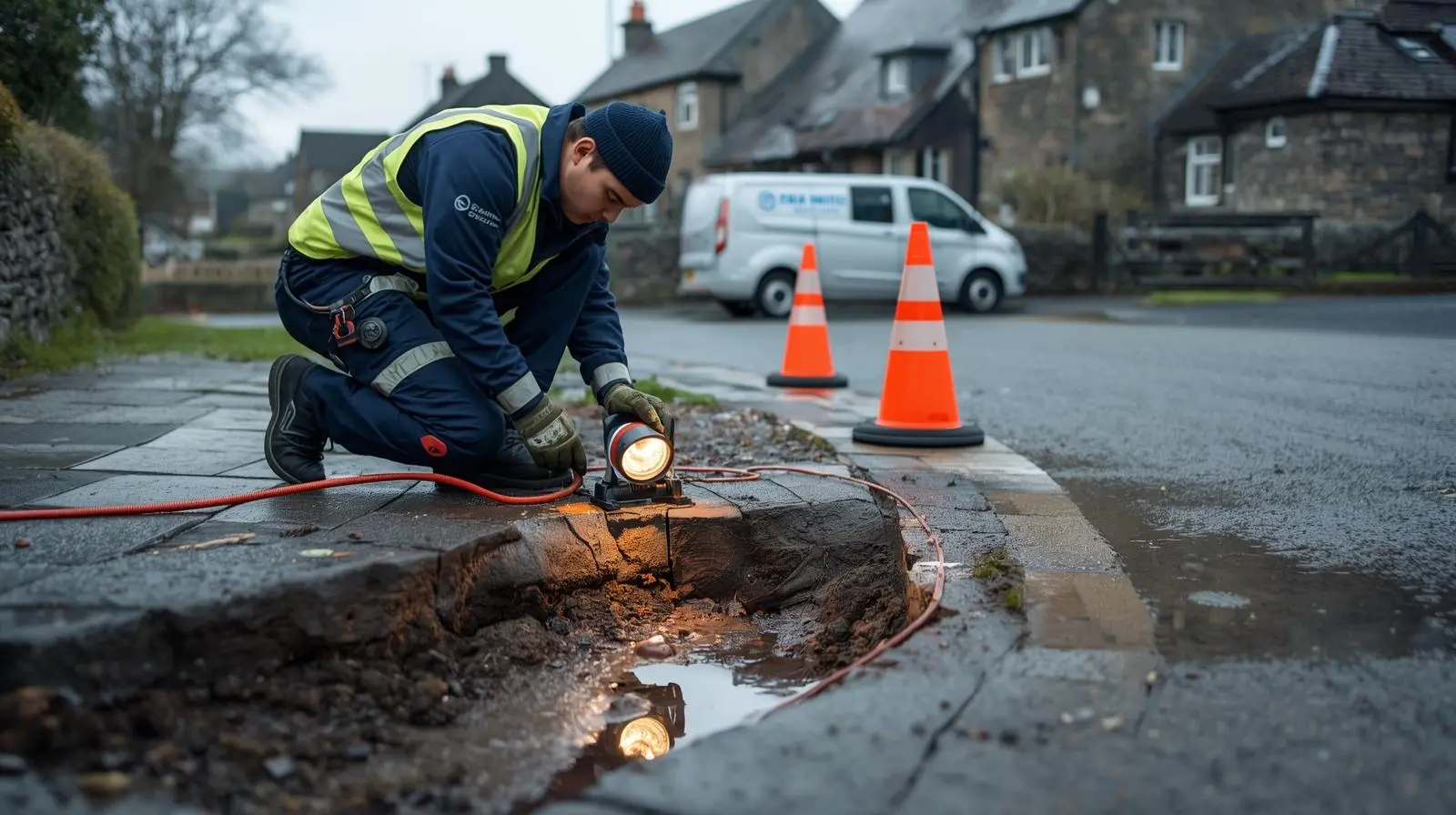
Meta Description: Learn how reliable water main repair works in real homes. Spot the signs of a water main leak, protect your property, and know what happens during a proper repair from start to finish.
A water main problem feels different from a blocked drain. It hits fast. You notice low pressure. Your tap runs weak. Your garden turns soggy. Then you worry about what happens next.
You want a clear plan. You want your water back. You also want the repair done right so you do not deal with the same leak again.
Drain Master Scotland works with water and drainage issues every week. Homeowners ask the same questions again and again. This post answers them without fluff.
What a Water Main Is and Why It Matters
Your water main is the pipe that brings clean water to your home. Many people call it the service pipe. It runs underground from the supply connection to your property.
If this pipe leaks you waste water and you risk damage. Leaks can soften ground. They can wash soil away. They can also send water into places it should not go.
A reliable water main repair fixes the leak and restores proper pressure. It also protects the surrounding ground so the pipe stays supported.
Common Signs You Need Reliable Water Main Repair
Water main leaks do not always look dramatic. Some leaks hide for weeks. Others show up in a day. Watch for these signs.
Your water pressure drops
You turn on the tap and the flow feels weaker than usual. If several taps feel weak the issue often sits on the main line.
Your water looks cloudy
Air enters a line when water escapes. That air can make water look milky for a short time. If it happens often treat it as a warning.
You hear a hiss or rush when no tap is on
A steady sound near a wall or under a floor can mean water is moving where it should not.
Your garden stays wet in one spot
A soft patch that never dries can signal an underground water pipe leak. In winter you may see frost melt faster in one area.
You notice damp near the base of your home
Water can travel along the pipe route. It can also rise through soil. Damp around foundations needs attention fast.
Your water bill jumps
A leak can run all day. That adds up. Industry groups like Water UK have shared that household leaks can waste large amounts of water each day. Even a small leak can waste more than you expect.
Your stop tap area looks wet
Many homes have a stop tap inside near the front wall. If the area around it looks damp and you did not spill water you should investigate.
Why Water Mains Fail in Homes
Most water main problems have simple causes. The pipe sits underground for years. Ground changes. Materials age. Small damage turns into a leak.
Age and material
Older pipes can crack as they age. Some older materials become brittle. Joints also weaken over time.
Ground movement
Soil shifts. Freeze and thaw cycles move ground. Heavy rain can wash soil away. All of this puts stress on the pipe.
Tree roots
Roots seek moisture. They can press on a pipe and force joints apart. They can also lift and shift nearby ground.
Poor backfill after past work
If someone dug near the line before and did not compact the soil well the ground can settle. The pipe loses support and can bend.
Accidental damage
Fences, landscaping, and driveway work can hit underground pipes. Even a shallow scrape can weaken the line.
What You Should Do First When You Suspect a Leak
You do not need special tools to take smart first steps. Focus on safety and clear facts.
Check your stop tap
Turn off the stop tap inside your home if you can. This helps limit water flow. Do not force it if it feels stuck. A stuck valve can break.
Check if the leak stops
After you shut off the stop tap look at the wet area again. If water keeps rising the leak may sit before your stop tap. If it slows the leak may sit after it.
Do a simple meter check if you have one
If your meter moves when every tap is off that points to a leak. This step gives useful proof.
Avoid using appliances
Do not run washing machines or dishwashers until you know the leak status. You do not want extra flow stressing the pipe.
Keep people away from soft ground
A leaking main can create a void. The ground can sink. Keep kids and pets away from the wet area.
Take photos and notes
Note the time and what you saw. Take photos of wet patches. This helps the repair team plan the job.
What Makes a Repair Reliable
A reliable water main repair does three things.
It finds the real leak point. It fixes the pipe with the right method. It restores the ground so the pipe stays supported.
If a team only treats the symptom you risk a repeat leak. If they fix the pipe but leave loose soil the pipe can shift again. The full job matters.
How a Professional Finds the Leak
A leak can sit far from the wet patch you see. Water travels through soil. A good team takes time to locate the true source.
Visual checks
They check the wet area. They check for pooling near walls. They also look for water tracking along paths.
Listening and pressure checks
Leak detection often starts with sound and pressure behavior. Water escaping under pressure creates a steady noise. The team uses tools that help pinpoint it.
Targeted digging
Once they narrow the location they dig a small test area. This reduces disruption. It also reduces the chance of digging in the wrong place.
If the first test hole stays dry they adjust. They keep the digging focused. That is part of doing the job right.
Repair Methods You Will Hear About
The best method depends on pipe material, pipe depth, and the type of damage. A good team explains the options in plain terms.
Clamp repair for a small split
A clamp can seal a small crack on some pipe types. It works best when the rest of the pipe is in good condition.
Section replacement for a damaged run
If the pipe has a crushed section or a bad joint the team cuts out the damaged part and replaces it. This gives a strong result when done correctly.
Joint repair when a connection fails
Some leaks happen at joints. The fix focuses on the joint and the sealing method. A correct joint repair prevents a repeat leak at the same point.
No dig repair in some cases
Some sites allow a repair without a long trench. This depends on access and pipe route. The team should explain when this makes sense and when it does not.
What to Expect During the Repair Visit
You want to know what happens on the day. Here is a clear outline.
Step 1, isolate the water
The team shuts off water flow to the affected section. This keeps the work area safe and dry.
Step 2, expose the pipe
They excavate carefully to reach the pipe. A careful dig protects nearby services and reduces mess.
Step 3, confirm the leak point
They clean the pipe area and watch for seepage. This confirms the exact leak spot before they fix anything.
Step 4, complete the repair
They repair or replace the damaged section. They use fittings that match the pipe. They secure the connection.
Step 5, pressure test and check flow
They restore water and check for leaks. They check pressure and tap flow. They confirm stable performance.
Step 6, backfill and reinstate
This step matters. They add backfill in layers and compact it. They restore the surface as close to original as possible.
Drain Master Scotland often sees problems caused by poor reinstatement from older work. That is why this step should never be rushed.
A Story That Shows Why Fast Action Helps
A homeowner once noticed a soft patch near the driveway. It looked like a small puddle after rain. A week later the patch stayed wet even on dry days. Then the pressure in the upstairs bathroom dropped.
They waited a few more days. The wet spot widened. One morning the paving near the edge tilted. The ground had washed out under it.
The repair team found a leak at a joint. The water had run long enough to move soil. The pipe had lost support. The paving had started to sink.
The fix needed a joint repair and proper backfill. The homeowner told us the hardest part was not the repair. It was the stress of not knowing if the ground would sink more.
That is why you act early. Early repairs limit ground damage. They also reduce the size of the dig.
How You Reduce the Risk of Future Water Main Leaks
You cannot stop aging pipes. You can reduce stress on them and catch issues early.
Know where your stop tap is
Test it once in a while. A working stop tap gives you control during an emergency.
Watch your pressure changes
If pressure drops across the home take it seriously. Do not ignore it for weeks.
Avoid planting thirsty trees near the pipe route
Large roots near service lines create long term pressure on soil and joints.
Be careful with digging
Before you dig for fencing or landscaping take steps to identify underground services. Avoid deep work near the suspected line route.
Fix small damp signs fast
Damp patches rarely improve on their own. Early checks save your time and protect your home.
How This Connects to Drain Work
People often mix up water and drains. They are different systems. A water main brings clean water in. Drains take wastewater away.
Still, they meet in the same ground and the same work areas. A water main leak can soften soil around drain lines. That can shift drains. A drain leak can wash soil away near water lines.
That is why it helps to work with a team that understands both. Drain Master Scotland handles drainage work every day and understands the ground conditions that affect pipe stability.
Questions You Should Ask Before Work Starts
You do not need to speak like a trade expert. You just need clear answers.
Where do you think the leak sits
You want a clear location plan based on evidence.
What repair method fits this pipe
You want the reason in simple terms.
How will you confirm it is fixed
You want testing and a final check.
How will you restore the ground and surface
You want proper backfill and a safe finish.
What should I watch for after the repair
You want clear aftercare signs like pressure behavior and surface settling.
FAQs
1 What does reliable water main repair mean
It means the team finds the true leak point, fixes it with the right method, tests the line, and restores the ground so the pipe stays supported.
2 How do you tell the difference between a drain leak and a water main leak
A water main leak often shows as low pressure and constant wet ground. A drain leak often smells bad and gets worse when you use water inside the home.
3 What should you do if your stop tap will not turn
Do not force it. A stuck valve can snap. Call a professional so they can isolate water safely.
4 Why does a small leak cause ground sinking
Water can wash soil away over time. This creates a void. The surface then settles and can crack or dip.
5 How long should you monitor after a repair
Watch the area for a few weeks. Look for stable pressure, no fresh damp patches, and no new settling in the repaired area.