
There’s a specific kind of panic that sets in when you flush the toilet and the water starts rising instead of going down. You watch it creep towards the rim, hold your breath, and pray it stops in time. Sometimes it does. Sometimes it doesn’t. Either way, you’re left standing there knowing something needs to be done, and fast.
If you’re dealing with a seriously blocked toilet right now, this guide is going to help. We’ll walk you through how to unblock a badly blocked toilet using methods that actually work, cover what to try first, and be straight with you about when it’s time to stop trying and call a professional. We’ll also mention a few toilet unblocker options worth knowing about along the way.
First Things First, Don’t Flush Again
Seriously. Before you do anything else, stop flushing. It’s a natural instinct to try again, hoping the blockage will shift on its own, but all a second flush does is add more water to a bowl that’s already struggling to drain. If the blockage is solid, that extra water has nowhere to go except over the rim and onto your floor.
If the water level is dangerously high, take the lid off the cistern and push the flapper valve down by hand. That shuts off the water supply to the bowl immediately and buys you a moment to think.
What Actually Causes a Badly Blocked Toilet?
Understanding what you’re dealing with makes it easier to choose the right fix. Most serious blockages fall into one of a few categories:
- Too much toilet paper, especially thick, quilted varieties that don’t break down quickly
- Wet wipes, even ones labelled “flushable” are notorious for causing blockages
- Foreign objects, children’s toys, cotton pads, dental floss, sanitary products
- A partial blockage that built up over time, small amounts of debris collecting until the pipe is nearly fully blocked
- A deeper issue, tree roots, a collapsed pipe, or a problem further down the drainage system
The first three you can often deal with yourself. The last two will need professional attention, and no amount of plunging will solve them.
How to Unblock a Badly Blocked Toilet: Step-by-Step Methods
Work through these in order. Start gentle, there’s no point going straight to harsh chemicals when a bit of patience might sort it.
Method 1: Hot Water and Washing Up Liquid
This is the place to start with most blockages, and it works better than people expect.
- Squirt a good amount of washing up liquid into the toilet bowl, around half a cup
- Heat up a bucket of hot water (not boiling, boiling water can crack porcelain)
- Pour the water into the bowl from waist height in a steady stream
- Wait 15 minutes and try flushing
The washing up liquid acts as a lubricant, and the heat and pressure of the water can help shift soft blockages made up of paper or organic matter. It won’t sort out a toy that’s lodged in the trap, but for many common blockages, this is all you need.
Method 2: Use a Plunger Properly
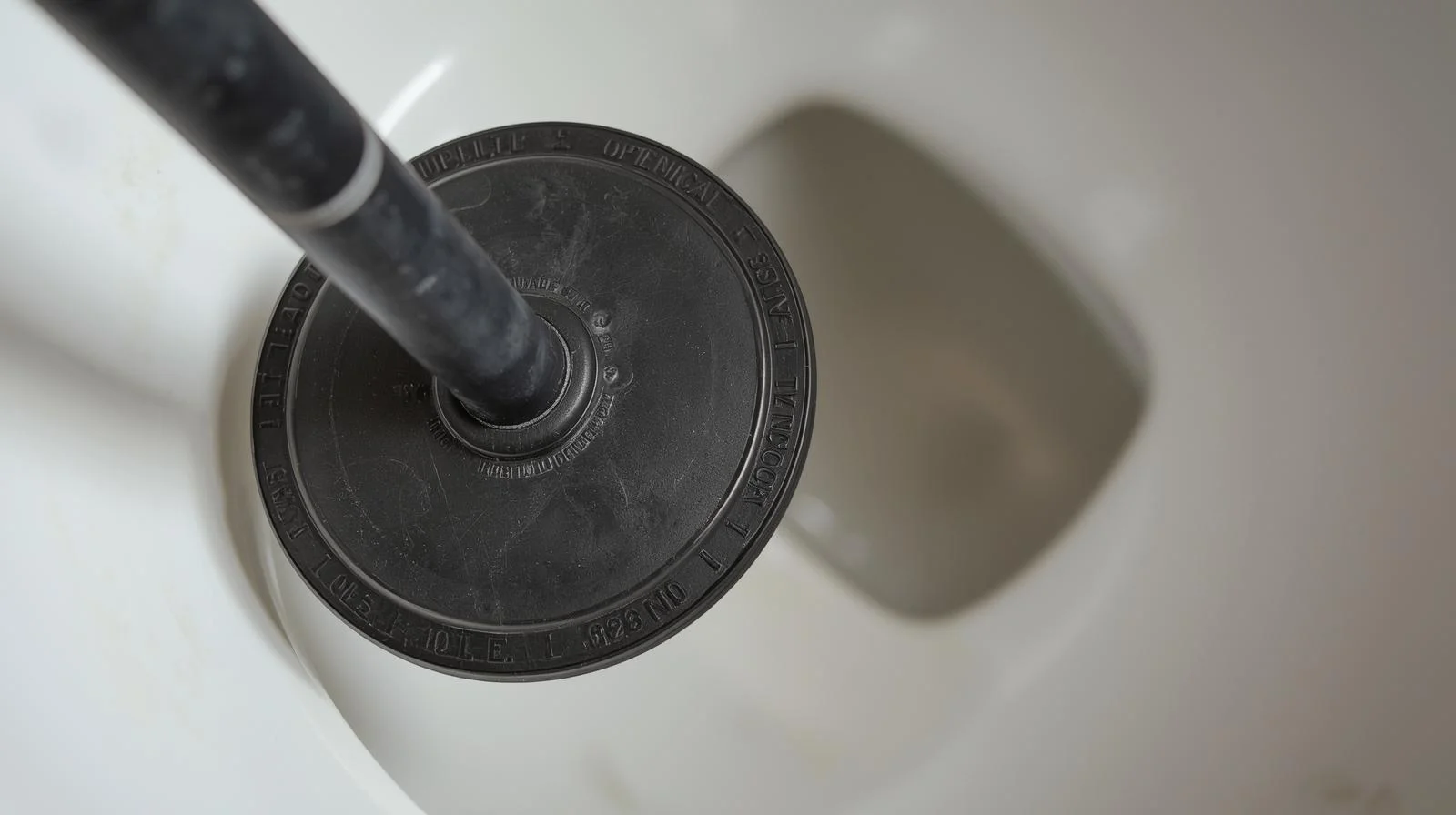
A plunger is the most reliable tool for how to unblock a toilet, but only if you use it correctly. Most people don’t, which is why they give up thinking it doesn’t work.
- Use a flange plunger, not a flat cup plunger, the flange (the rubber collar at the bottom) is designed to fit the toilet drain
- Make sure there’s enough water in the bowl to submerge the rubber head
- Press the plunger down slowly to push out the air first, then seal it firmly against the drain opening
- Use strong, controlled pushes, in and out, keeping the seal intact
- After 15–20 strokes, pull the plunger away sharply and see if the water drains
If it doesn’t drain on the first go, try again. Stubborn blockages sometimes need two or three rounds. Keep at it for a few minutes before moving on.
Method 3: Try a Drain Snake or Toilet Auger
If plunging isn’t shifting it, you may have a more solid blockage sitting in the trap or further down the pipe. A toilet auger, sometimes called a drain snake, is a flexible coiled tool that you feed into the drain to break up or retrieve what’s causing the problem.
You can buy a basic toilet auger from most DIY shops for around £15–£25. Feed it gently into the drain while turning the handle, and when you feel resistance, work it back and forth. Pull it out slowly and you may bring the blockage with it.
This method is particularly useful if something solid has gone down the toilet, a cloth, a child’s toy, excessive amounts of paper. If you feel something and the auger won’t shift it, stop. Forcing it risks pushing the object further or damaging the pipe.
Method 4: A Chemical Toilet Unblocker
A chemical toilet unblocker can help dissolve organic blockages, mainly ones made up of paper, waste, and similar material. Products like HG Toilet Unblocker or Domestos Drain Blaster are widely available and work reasonably well for milder cases.
Follow the instructions on the label carefully. Most require you to pour the product into the bowl, leave it for a set amount of time (often an hour or overnight), then flush. Don’t mix different chemical products, it can create fumes or a reaction that’s genuinely dangerous.
Be realistic about what chemicals can do. They’re useful for soft blockages but won’t touch a physical obstruction like a foreign object. If the blockage has been there for a while and nothing else has worked, chemicals alone are unlikely to solve it.
Helpful Tips, Do’s and Don’ts
Do:
- Wear rubber gloves throughout, hygiene matters
- Keep a old towel or some newspaper on the floor before you start
- Try the hot water and washing up liquid method first, it’s often enough
- Give each method time to work before moving on to the next
- Know when to stop, if you’re not making progress after 30–40 minutes, call someone
Don’t:
- Flush repeatedly when the toilet is already blocked
- Use boiling water, it can crack the porcelain
- Mix chemical unblockers together
- Use a flat sink plunger on a toilet, it won’t seal properly
- Keep forcing a drain snake if you feel solid resistance
Common Mistakes to Avoid
One thing that catches a lot of people out is using far too much force with a plunger and creating a back-pressure problem. If you push too hard without a proper seal, you can splash contaminated water, or, worse, push the blockage into a section of pipe that’s much harder to reach.
Another common mistake is assuming that because water is eventually draining (just slowly), the problem will sort itself out. Slow drainage is usually a sign of a partial blockage that’s going to get worse before it gets better. Catching it early is always easier than dealing with a full blockage later.
When to Call a Professional
Most toilet blockages you can handle yourself with the right approach. But there are situations where the sensible move is to pick up the phone.
Call a drainage professional if:
- Nothing you’ve tried is making any difference after a good 30–40 minutes of effort
- Water is coming up through other drains in your home (like the bath or shower) when you flush, this points to a blockage in the main drain, not just the toilet
- You suspect a foreign object is lodged in the pipe and won’t shift
- The blockage keeps coming back every few weeks despite clearing
- There’s an unpleasant smell that persists even after the toilet flushes normally
That last point especially. Recurring smells or recurring blockages usually mean something is wrong further down the system, root ingress, a partial pipe collapse, or a build-up in the main drain, and no amount of plunging at the toilet will solve that.
Why Choose Drain Master Scotland?
If you’re in Perth or anywhere across Perthshire and you’ve run through your options without success, Drain Master Scotland is the team to call. They handle everything from straightforward toilet blockages to complex drainage problems that need proper investigation.
What makes the difference is experience and the right equipment. Drain Master Scotland uses professional-grade tools, including CCTV camera surveys for persistent or mysterious blockages, to find out exactly what’s causing the problem rather than just treating the symptom.
There’s no call-out pressure, no unnecessary work, and no jargon. You get a straight answer about what’s wrong and a clear option for fixing it. Whether it’s a simple unblock or something that needs a more involved repair, the team will tell you honestly what’s needed.
For Perth homeowners dealing with a blocked toilet, or any drainage issue they can’t get on top of themselves, Drain Master Scotland is a reliable, local first call.
Conclusion
A badly blocked toilet is genuinely stressful, but in most cases it’s fixable without a lot of fuss. Start with the simplest method, hot water and washing up liquid, and work your way up from there. A good flange plunger, used correctly, will shift the majority of common blockages. A toilet auger gives you extra reach for more stubborn problems, and a chemical toilet unblocker can help dissolve soft organic matter when other methods have done most of the work.
The key is patience, the right tools, and knowing when the problem is bigger than a DIY fix. If you’re in Perth and you’ve hit a wall, Drain Master Scotland can take it from there.
Frequently Asked Questions
Can I use a regular sink plunger on a toilet?
It’s not ideal. A flat cup plunger doesn’t seal properly against the toilet drain opening. You need a flange plunger, the one with the rubber collar that extends from the bottom, to get a proper seal and generate enough pressure to shift a blockage.
How long should I leave a chemical toilet unblocker before flushing?
It depends on the product, but most recommend at least one hour, with some suggesting an overnight soak for serious blockages. Always read the label and stick to the instructions, using more than recommended won’t speed things up and can damage your pipes.
What if water is coming up in the bath or shower when I flush?
This is a sign that the blockage isn’t in the toilet itself, it’s further down in the shared drainage system. When one drain backs up, the water finds the nearest exit, which is often a bath or shower drain. This kind of blockage needs professional attention, as it’s beyond the reach of a plunger or drain snake used from the toilet.
Is it safe to use a drain snake myself?
Yes, for most toilet blockages a basic toilet auger is safe to use at home. The key is to be gentle, never force it, and if you feel solid resistance that won’t shift, stop and call a professional. Forcing a snake into a pipe can cause damage or push a blockage into a worse position.
How do I stop my toilet from blocking again?
The biggest culprits are wet wipes (including “flushable” ones), excessive toilet paper, and anything that isn’t human waste or toilet paper, cotton pads, dental floss, sanitary products, and so on. Only flush toilet paper, and try to use thinner varieties if blockages are a recurring issue. If your toilet blocks repeatedly despite careful use, get a drainage survey done, there may be an underlying issue with the pipework that needs sorting.