
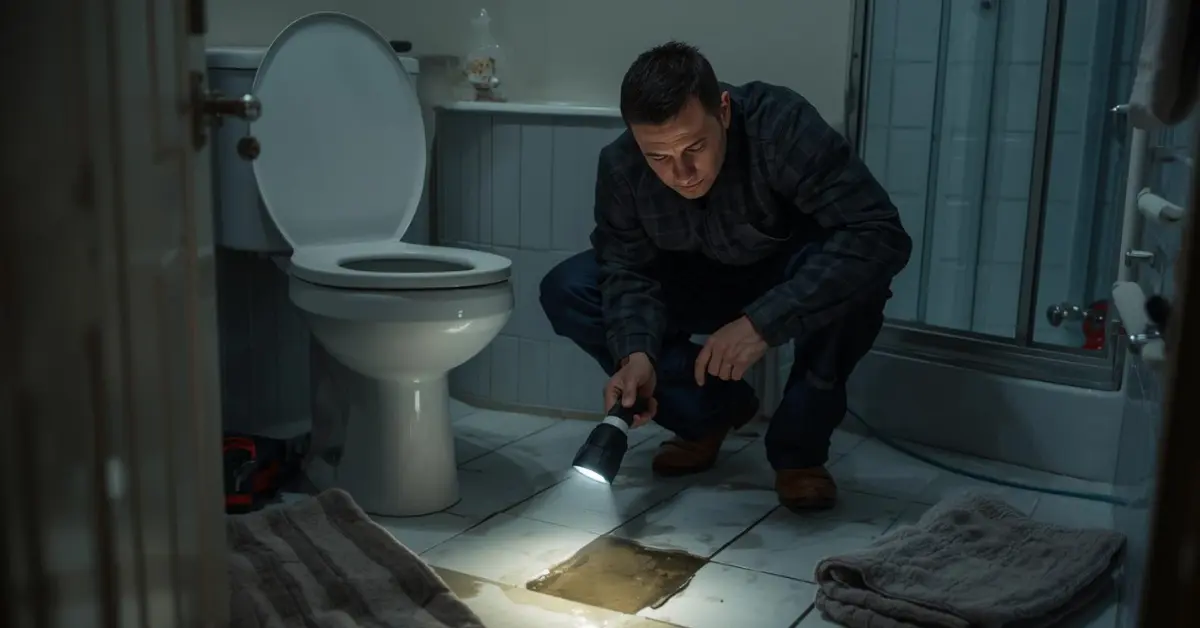
First Things First: Stay Calm and Stop Using Water
When a drain is blocked, the worst thing you can do is keep feeding it more water. That applies to sinks, showers, baths, toilets, and even appliances like washing machines and dishwashers.
What to do right away
- Turn off taps that are running
- Pause or cancel any appliances that are draining water
- Ask everyone in the home to avoid using toilets, showers, and sinks until you’ve checked what’s happening
- If you’re in a business setting, restrict the affected washroom or area to prevent staff or customers making it worse
A blocked drain can go from “slow” to “overflow” quickly once extra water is introduced.
Identify the Type of Blockage
Not all blocked drains are equal. A quick check helps you decide whether you can manage it safely overnight or if you need an emergency plumber immediately.
Is it one fixture or several?
- If only one sink or one shower is slow, the blockage is often local (close to that drain)
- If multiple fixtures are backing up or gurgling, the blockage may be deeper in the pipework or in the main drain line
Are there signs of backflow?
Backflow is when water comes up instead of going down. Watch for:
- Toilet water rising too high or bubbling when other taps run
- Water backing up into a shower tray when a sink is used
- Bad smells coming from more than one drain
- Water pooling around outdoor drain covers
Backflow suggests the blockage is more serious and may require urgent professional attention.
Prevent Damage: Quick Containment Steps
Even if you can’t clear the blockage immediately, you can stop damage and reduce stress with a few simple actions.
Protect the area
- Place towels around the base of toilets, sinks, or shower edges if you’re worried about overflow
- Use a bucket and old towels to manage any seepage
- Move bathroom mats, cardboard, or any items that can absorb water and become damaged
- If water is near electrical sockets or appliances, keep the area dry and avoid contact until safe
Ventilate if there’s a smell
Blocked drains can cause unpleasant odours. Open a window if possible and close internal doors to stop smells spreading through the property.
Safe DIY Steps You Can Try at Night
If you suspect it’s a local blockage and there’s no sewage backflow, you can try a few safe methods. The goal at night is to restore basic function or at least improve drainage enough to avoid overflow.
Use a Plunger Properly
A plunger is often the fastest and safest tool for emergency drain unblocking.
For sinks and basins
- Cover the overflow hole with a damp cloth
- Add enough water to cover the plunger’s rim
- Create a seal and plunge with steady force for 15 to 20 pumps
- Test the flow, repeat if needed
For toilets
- Use a toilet plunger with a flange if possible
- Ensure the plunger is submerged and sealed over the outlet
- Plunge gently at first to avoid splashing, then increase force
- Stop if the water level rises close to the rim
If plunging isn’t improving anything after a few attempts, don’t keep forcing it. That can compact the blockage further along.
Check and Clear Visible Hair or Debris
For shower and bath drains:
- Remove the drain cover if accessible
- Pull out hair and soap buildup carefully using gloves or a small hook tool
- Dispose of debris in the bin, not the toilet
This is often enough to restore flow for the night.
Use Hot Water and Washing-Up Liquid for Grease
For kitchen sinks that are slow due to grease:
- Pour a small amount of washing-up liquid into the drain
- Wait 10 to 15 minutes
- Flush with hot water in stages
Avoid pouring boiling water into standing water that could overflow, and be cautious if you have older plastic fittings.
Try a Hand Auger or Drain Snake if You Have One
If you have a drain snake:
- Feed it slowly into the drain
- Twist gently and retract
- Remove debris and test the flow
Be patient. Forcing the tool can damage pipework or push the blockage deeper.
What Not to Do When a Drain Is Blocked at Night
Some choices make emergencies worse, especially when you’re tired and tempted to try anything.
Don’t Mix Chemical Drain Cleaners
Using chemical products late at night can be risky. Mixing products or using them after another cleaner can create harmful fumes or reactions. Even using a single product can cause issues if it fails and leaves chemicals sitting in the pipe, especially if you end up needing an emergency plumber to dismantle the line.
Don’t Keep Flushing a Struggling Toilet
If the toilet isn’t clearing properly, repeated flushing can trigger an overflow. One or two careful attempts with a plunger is reasonable. After that, stop and reassess.
Don’t Dismantle Pipework If You’re Not Confident
Removing a trap under the sink can help, but late-night DIY can lead to leaks if fittings aren’t re-seated correctly. If you’re unsure, focus on containment and call for help.
When to Call an Emergency Plumber Right Away
Some situations are best treated as urgent, even at night.
Call immediately if you notice any of these
- Sewage smell combined with water backing up
- Toilet overflow or near-overflow that won’t settle
- Multiple drains blocked at once
- Water coming up through a shower, bath, or floor drain
- Any flooding that could damage floors, walls, or electrics
- Suspicion of a burst pipe or water main issue
A blocked drain can sometimes be connected to bigger system problems, and quick intervention can prevent costly damage.
Residential vs Commercial: Night-Time Priorities
Blocked drains can affect both homes and businesses, but the stakes can differ.
Residential Drainage Services
In a home, the priority is usually preventing overflow and restoring basic function. If the only toilet is blocked or there’s backflow into living spaces, it’s often worth contacting an emergency plumber rather than waiting.
Commercial Drainage Services
For businesses, night-time issues can threaten opening hours, hygiene standards, and safety. If you run a restaurant, café, care facility, or any site with high water usage, a blocked drain can escalate quickly. Commercial Drainage Services can help control the situation, reduce downtime, and prevent repeat problems that disrupt operations.
Don’t Ignore Signs of Water Main Trouble
Not every night-time plumbing issue is a simple blockage. If you notice:
- Sudden loss of water pressure across the property
- Water pooling outside near the street or driveway
- Unusual sounds in pipes combined with damp patches
These can be warning signs that you may need Reliable Water Main Repair rather than routine drain clearing. If you suspect the main water supply is involved, treat it as urgent.
After the Immediate Problem: What to Do in the Morning
Even if you manage to get the water draining again, it’s worth taking steps to prevent a repeat.
Do a simple check
- Test other drains in the property to confirm the issue is isolated
- Listen for gurgling and watch for slow draining
- Check outdoor gullies if safe and accessible
Arrange a professional assessment for recurring issues
If the blockage returns, happens in multiple areas, or has been a pattern, professional drainage help is the smarter route. A proper clean and inspection can identify grease buildup, scale, root ingress, or pipe damage before it turns into another night-time emergency.
How Drain Master Scotland Can Help
When a blocked drain strikes at night, the priority is stopping the situation from getting worse and keeping your property safe. If the issue is minor, basic steps like plunging, removing visible debris, or a careful hot-water flush may be enough to get you through. If there’s backflow, repeated blockages, or any sign of flooding, it’s time to call an emergency plumber.
Drain Master Scotland supports both Residential Drainage Services and Commercial Drainage Services, and can advise if the symptoms point toward a deeper issue requiring Reliable Water Main Repair. Whether it’s a quick emergency response or a more thorough fix to prevent it coming back, the right help at the right time makes all the difference.